Assessments That Identify Problems Before Leaks Start
Roof Inspections in West Branch for preventative maintenance and insurance-related damage evaluations
Missing shingles and compromised flashing rarely announce themselves until water stains appear on interior ceilings. Roof inspections by Glenwood Builders LLC in West Branch evaluate aging materials, storm damage, and deteriorating components before minor issues escalate into structural concerns or interior water damage. The service addresses both routine preventative maintenance needs and post-storm assessments required for insurance documentation.
Inspections examine shingle adhesion, flashing integrity around chimneys and vents, granule loss that signals material breakdown, and soft spots that indicate moisture penetration into decking layers. Michigan weather conditions produce freeze-thaw cycles that lift shingle edges and ice dams that force water under protective barriers, creating failure patterns that worsen rapidly once started. Evaluations are completed carefully with attention to property protection, using methods that do not damage existing roofing materials during the assessment process.
Schedule a professional roof evaluation to identify repair needs before the next storm season arrives.
What Proper Roof Evaluations Require
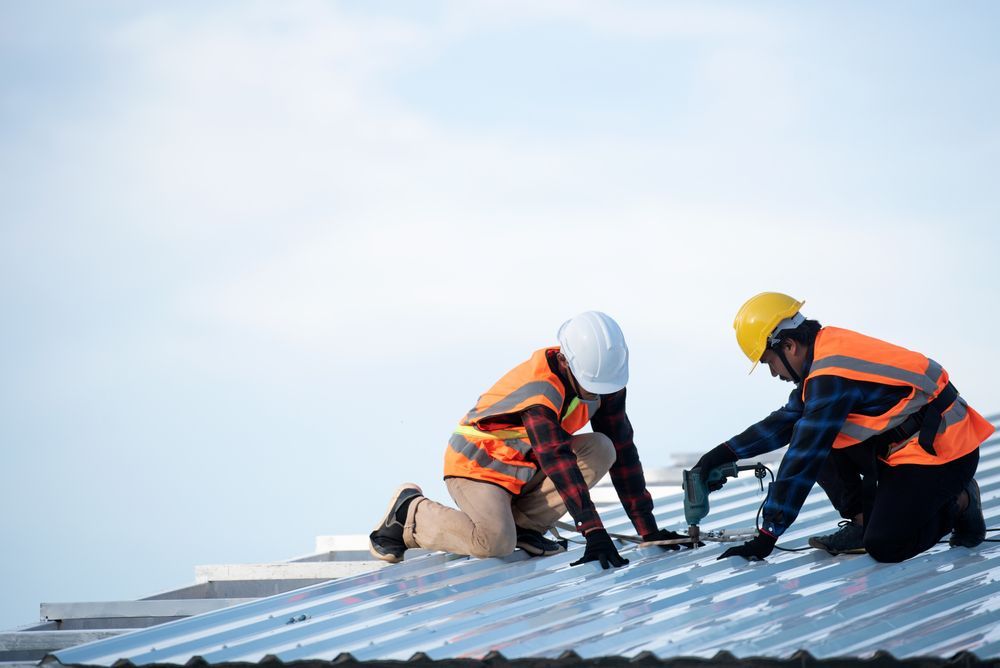
The inspection process involves walking the entire roof surface to check for lifted tabs, cracked sealant, exposed fasteners, and damaged valley systems that channel runoff between roof planes. Each issue is documented with its location, severity, and potential to cause further damage if left unaddressed. The company's experience evaluating roofs exposed to heavy snow loads, hail events, and high winds means inspectors recognize early-stage failures that less experienced evaluators might overlook during a visual scan.
You receive honest recommendations focused on whether repair or replacement makes sense given the roof's current condition, remaining lifespan, and the scope of identified problems. A roof with isolated storm damage in one section may need only targeted repairs, while a roof showing widespread granule loss and multiple leak points might require full replacement to avoid repeated service calls over the next few seasons. The assessment clarifies these distinctions so you can make informed decisions about timing and budget.
Inspections also evaluate attic ventilation, which affects how long roofing materials last in Michigan's temperature extremes, and check for signs of previous amateur repairs that may have introduced new vulnerabilities. The service does not upsell unnecessary work but does identify every condition that could shorten your roof's functional lifespan.
Answers to Frequent Service Questions
Homeowners preparing for roof inspections often want to know what the process involves and how findings translate into action.
What does a roof inspection actually cover?
The evaluation includes examining all shingle surfaces for damage or wear, checking flashing around roof penetrations, inspecting valleys and ridge caps, assessing attic ventilation from below, and identifying any soft spots or structural concerns that indicate moisture intrusion.
How do inspectors identify storm damage versus normal aging?
Storm damage typically shows sudden failure patterns like torn shingles, dented vents, or impact marks from hail, while aging appears as gradual granule loss, curling edges, or brittleness that develops uniformly across the roof rather than in isolated sections.
When should I schedule routine inspections in West Branch?
Most roofs benefit from inspections every two to three years, with additional evaluations recommended after major storms, heavy snow accumulation, or ice dam formation that may have stressed materials beyond what's visible from ground level.
What happens if the inspection reveals multiple issues?
You receive a prioritized list explaining which problems need immediate attention to prevent water damage and which can be monitored or addressed during future maintenance windows, along with honest guidance on repair versus replacement cost-effectiveness.
How long does a typical roof inspection take?
Most residential inspections require one to two hours depending on roof size, complexity, and the number of penetrations or architectural features that need individual assessment.
Glenwood Builders LLC completes inspections with focus on homeowner safety and property protection, providing documentation that supports both maintenance planning and insurance-related needs. Arrange an inspection to understand your roof's current condition and upcoming service requirements.