Restoration Work That Starts With Complete Documentation
Insurance Claim Assistance in West Branch for homeowners navigating storm damage repairs and coverage disputes
Storm damage to roofing or siding often triggers insurance questions before the first repair can even be scheduled. Glenwood Builders LLC provides insurance claim assistance in West Branch that includes detailed property inspections, documentation of covered damage, and coordination with adjusters during restoration projects. Homeowners dealing with hail impact, wind-torn shingles, or ice dam leaks receive assessments that identify every element eligible for coverage, reducing the chance that repairable damage gets overlooked during the claims process.
This service involves a thorough exterior inspection that catalogs visible storm damage, photographs affected areas, and generates documentation formatted to match insurer requirements. The in-house team completes all repair and restoration work once coverage is confirmed, eliminating the need to coordinate between separate inspection services and contractors. Michigan weather patterns produce hail, high winds, and freeze-thaw cycles that damage roofing materials in ways adjusters must verify before authorizing repairs.
Request an inspection after storm-related damage to begin building the documentation your claim will require.
How Detailed Assessments Support Coverage Decisions
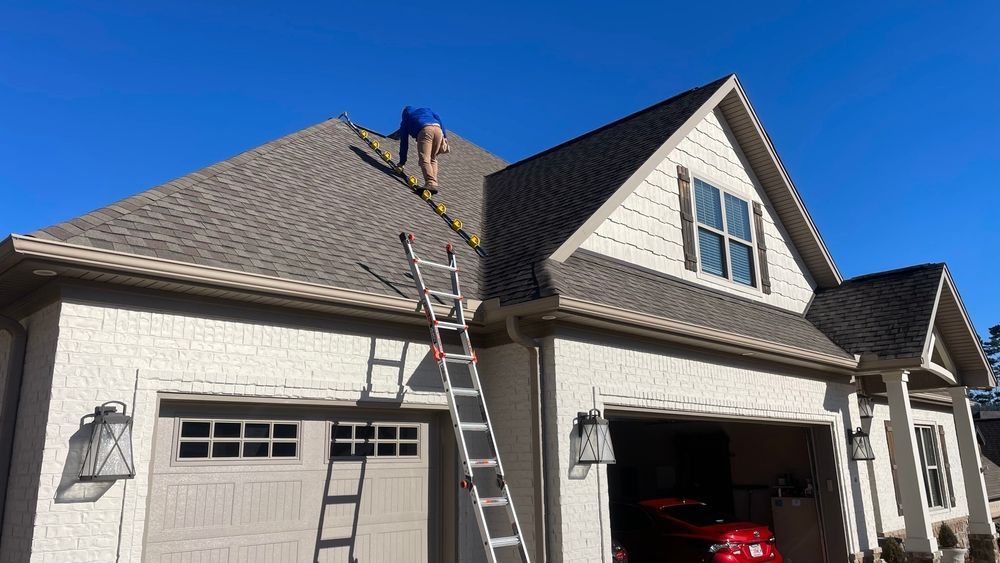
The inspection process identifies every category of exterior damage that might qualify under your policy, including torn or creased shingles, compromised flashing, dented metal components, and displaced ridge caps. Each damaged element is measured, photographed from multiple angles, and described using terminology that aligns with how insurance providers categorize storm loss. This level of detail helps adjusters understand the full scope of necessary repairs without requiring multiple site visits or follow-up documentation requests.
Homeowners working with Glenwood Builders LLC receive inspection reports that clarify which damage resulted from the recent storm event versus pre-existing wear, a distinction that directly affects what insurers will cover. The company works alongside adjusters during restoration projects, answering technical questions about material specifications and repair methods as decisions are finalized. You move through the claims process with documentation that supports your position and a contractor ready to complete approved work without delay.
The service does not involve filing claims on your behalf or negotiating settlements, but it does provide the technical foundation that helps insurers evaluate your damage accurately. Inspections also reveal secondary issues like compromised decking or water intrusion pathways that might not be visible from ground level but still qualify as covered storm damage once documented properly.
What Homeowners Ask About Claim Support
Questions about insurance claim assistance often focus on timing, documentation standards, and how the process connects to actual repair work.
What happens during the initial damage inspection?
The in-house team examines all exterior surfaces affected by the storm, measures damaged areas, photographs specific failure points, and compiles findings into a report that identifies covered damage categories and explains how each element was compromised.
How does documentation help when working with insurance adjusters?
Detailed reports provide adjusters with precise measurements, material identification, and photographic evidence that supports coverage decisions, reducing disputes over whether damage qualifies and eliminating the need for repeated site visits to verify conditions.
When should I schedule an inspection after storm damage occurs?
Inspections are most effective within days of a storm event, before additional weather exposure worsens existing damage or complicates the process of distinguishing new storm loss from older wear patterns common on roofs in West Branch.
What types of exterior damage are typically covered by homeowners insurance?
Policies generally cover sudden storm-related damage such as wind-torn shingles, hail impact, fallen tree limbs, and ice dam failures, but exclude gradual wear from aging materials or deferred maintenance issues that developed over multiple seasons.
How long does the claims process usually take once documentation is submitted?
Timelines vary based on insurer response speed and claim complexity, but thorough upfront documentation often shortens the review period by providing adjusters with all necessary information during their first evaluation rather than requiring follow-up requests for additional detail.
Glenwood Builders LLC completes all approved restoration work using the same team that conducted the original damage assessment, maintaining continuity from inspection through final repair. Schedule a professional damage inspection to establish the documentation foundation your insurance claim requires.